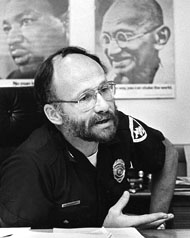

After a hiatus, I am now, once again, stepping up to my “soap box” Why? Because I care! I deeply care for the men and women who police our great nation. You can do better. And I’m here to help. Let’s get started.
Officers: Danger, danger, danger!
Fellow officers, I know it’s getting tough out there. Since Michael Brown’s death in Ferguson and a while string of police-related shootings (some of which were real bad and you know it). Then came George Floyd’s death in Minneapolis! A nation-wide protest erupted, “Black Lives Matter” came into existence, and over $1 billion in property was torn down and burned up.
The result? Trust and confidence in American police went down the drain. And you know, as I know, and Sir Robert Peel knew over 150 years ago in his fourth principle of policing, “The degree of cooperation of the public that can be secured diminishes proportionately to the necessity of the use of physical force;” less cooperation from citizens requires police to use more force in getting the job done.
We find ourselves today in the spiraling whirlpool of losing our effectiveness because we are not being supported by those whom we police… then add in the guns, the proliferation of firearms in our society and how they have affected how police feel when carrying out their duties.
Danger, danger… and the result has been significant in reducing police effectiveness. Many senior officers, being close to retirement have chosen to leave. Also, many mid-career police have left. Today, we have a shortage of police officers in many of our cities.
They knee-jerk reaction is to low hiring standards and even provide financial incentives, a “signing bonuses.” I repeat, “danger, danger!”
In the sixties and seventies, many young men and women also didn’t see policing as a viable career. War and civil rights protesters were being abused and beaten on a regular weekly basis. Cops were called “pigs.” During that era, those of us in police leadership decided to take a number of actions to improve the situation. We raised the standards calling for police applicants to have a bachelor’s degree. We advertised policing as “the other peace corps” to attract youngsters with high ideals. We even said, “You don’t like us? Well, we don’t like bad police, either. So come aboard and help us be better. After all, we police will never be changed by outsiders!”
And almost fifty years ago, we who were in creative leadership took a number of other steps that ought to be quite familiar today: we prohibited the use of “choke holds,” required officers to report peer misconduct, prohibited shooting a fleeing vehicle, and raised the standard for use of deadly force (no more shooting any “fleeing felon,” that had to a continuing danger to the community – it later became a US Supreme Decision in Garner v. Tennessee).
While the “30×30” initiative in hiring women is highly commendable, I do have to point out to that by the early 1990s, the police department in Madison, Wisconsin was reaching that goal! I continue to believe that bring more women into policing will, in and of itself, improve police support and effectiveness.
Enough of this history lesson. What needs to be done today? In my blogs since 2015, I have said we need to raise today’s standard of deadly force (Graham v. Connor), apologize for our collective bad behavior in the past with regard to race and civil rights, raise the education requirement to that of a 4 year college degree, eliminate “stress-based” training in the police academy and increase initial training to two years with a strong emphasis on Community-Oriented Policing and Procedural Justice followed by another year of close field supervision (no un-supervised arrests during that period).
If you think this is too much, take a look at what police in the European Union are doing with regard to deadly force use and police training. They also are democratic and constitutional countries which also cherish many of our ideals.
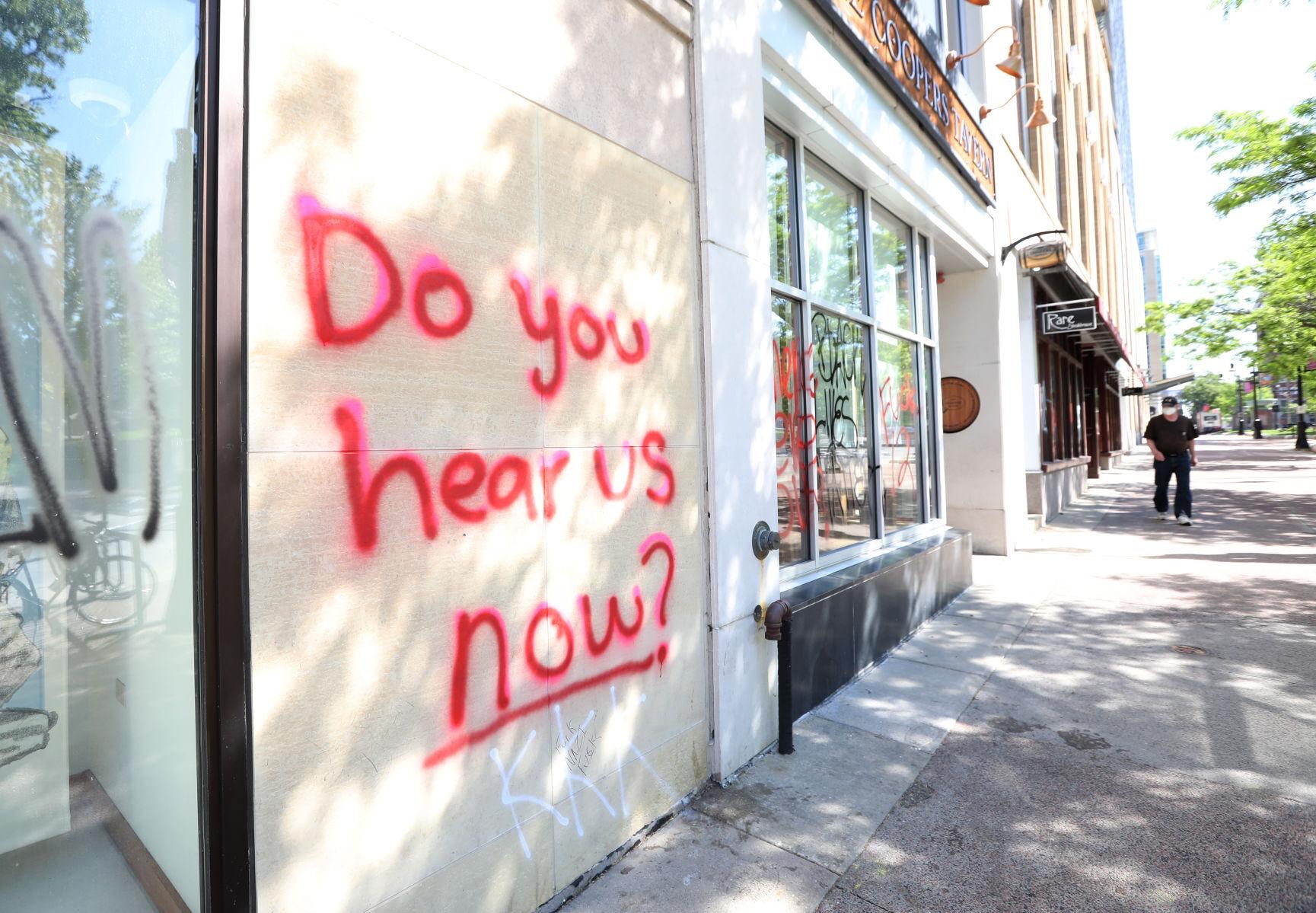
The stark reality for policing in America is this: Until trust is raised (which increases your effectiveness), the job will continue to be more and more dangerous and you will have to use, in response, more and more force to do your expected duties. This is a terrible scenario. So, you (not “them”) must answer this question from Black Americans, “When will you stop killing us?”
So far, this question which I have continued to ask, has not been answered! A quick look at deaths by police in America will find no decrease since 2015 when journalists (not our government) started recording them. They have stayed at approximately 1,000 death each year since then. This rate far exceeds the number of police deadly force in any other democratic country in the world!
Then read my book as to how we did this long ago and the steps we took. Also take a look at “How to Rate Your Local Police.” It’s not history… it’s called learning and wisdom!


 Improving Police: A Necessary Conversation
Chief, you’ve once again hit the nail on the head. Having read your book several years ago and being a college educator (former police officer in Columbia, MO), I went about creating a new course for our Criminal Justice curriculum, Cultural Awareness for Criminal Justice Practitioners. Cultural awareness was okay for a while. A couple of years ago, as a Professor Emeritus, I was talking with my Dean about the course and mentioned that I thought it was time to revise the course – change the title of the course to Cultural Competency for Criminal Justice. My strongest argument for the modification of the course came from Sir Robert Peel’s Fourth Principle of Policing.
I sat out to find textual materials that would be suitable for the course and found that a lot of other disciplines have textbooks about cultural competency, but I never found one of the field of criminal justice. I’ve managed to cobble together what I consider to be good quality readings for my students and coupled that with interactive learning in the classroom. Perhaps now that I’m considering full retirement I will have time to sit down and create a cultural competency for policing textbook.
I must tell you that I hated to see you shut down your blog earlier this year, but I’m so happy to see it once again appear, especially at a time when America, as well as other countries around the world, is struggling with Defund the Police. I’m certainly a proponent of Sir Robert Peel’s Principles of Policing and make use of them in every class I teach and will continue to do so in memory of you.
Thanks for getting “back in the saddle again,”
LikeLike
Michael, thanks so much for the feedback. Yes, I encoourage you to get working on a “cultural competency” course/book. Much needed. I think every police officer in America should be required to read “The 1619 Project” to better understand what’s going on. Thanks again! (https://www.nytimes.com/interactive/2019/08/14/magazine/1619-america-slavery.html)
LikeLike
53 years ago this coming month, I took the leap and joined Couper’s “Domestic Peace Corps”, taking my four-year degree and leaving a cushy job at an advertising agency behind.
Never regretted a minute!
LikeLike
And a blessing you were!
LikeLike
You were a blessing as we kept the peace…
LikeLike