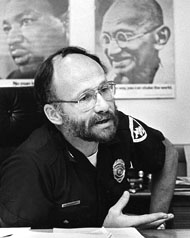


There’s been decades of discussion about and improving police mental health, peer support, and addiction.
The existing police sub-culture often resists not “maning up;” being the tough guy. So this problem within the ranks will continue. Yet the negative aspects of the subculture of policing continue to be supported by the way police training is conducted and how leaders act and what behaviors they tend to reward.
I’ll say this: we’ve got to get away from the idea that everyone hates police — that simply is not true.
Policing is a noble and serving profession; that’s what needs to be reinforced in both pre- and in-service training, and through positive servant leaders who care first for those they are privileged to lead. Leadership is about a commitment to the growth, physical and mental health, and performance of the men and women for whom they are responsible.
The practice of Procedural Justice on the street and in the police agency will go a long way to assure a healthy environment for our nation’s police.
Preventative Care
— Friendships outside of policing.
— Good nutrition.
— Regular exercise.
— An active faith/spirituality belief system.
— Strong emotional intelligence.
The following story is a sad (but not unusual). I lost a former partner to suicide a number of years ago. Too many others with whom I have worked with were either crippled by, or died of, addictions.
Healthy police, healthy community.
And while I’m talking about police health, let’s not forget about the dangerous environment today in which police work. We the people must demand our legislators get control of excessive public weaponry like assault rifles and who gets to purchase and carry firearms! Time for some major reform here.
We can do better.
————————-
USA Today: The struggle behind the badge: Miami top cop’s suicide attempt and the mental health stigma in policing
“Former Miami-Dade Police director Alfredo ‘Freddy’ Ramirez was outspoken about the need for police to have mental health support, joining a movement that has taken hold in just the last decade.
“Our officers face the worst of humanity on a daily basis, and when they return home, it can be hard for them to leave their experience in the car,” he wrote in an April MDPD newsletter, encouraging people to take advantage of the department’s counseling services.Then, on a Sunday night in July, Ramirez shot himself in the head on the side of the highway and survived after two surgeries.
“Ramirez is the only one who knows what was going through his head when he pulled the trigger, and mental health experts warn against seeking the answers as to why someone would try to take their own life.
“But the incident brings up the stickiness of the mental health stigma within law enforcement. Job problems, marital strife and access to a firearm are all risk factors that were present on the evening of Ramirez’s attempt. But the suicide intervention programs that could have helped him in a vulnerable time were dependent on his willingness to admit he was in a crisis. According to experts, that is something officers still struggle to do.”
———————————

 Improving Police: A Necessary Conversation