What Police in a Free Society Must Do to Be Respected, Trusted, and Effective
- Embrace the Guardian Ethos
Shift from a “warrior” or “rule-enforcer” mindset to that of a guardian—protecting the constitutional rights, dignity, and safety of all people, not just enforcing laws mechanically. This requires humility, empathy, and service. - Commit to Procedural Justice
Research shows that how police exercise authority matters more than outcomes. Fairness, voice (listening), transparency, and impartiality build legitimacy and trust. Officers must ensure that every contact communicates respect and fairness. - Reduce and Carefully Regulate Use of Force
Use of force should be the rarest and last resort. Training must prioritize de-escalation, communication, and tactical patience over speed, control, or dominance. Every use of force must be reviewed not only for legality, but for necessity and proportionality. - Build Relationships, Not Just Cases
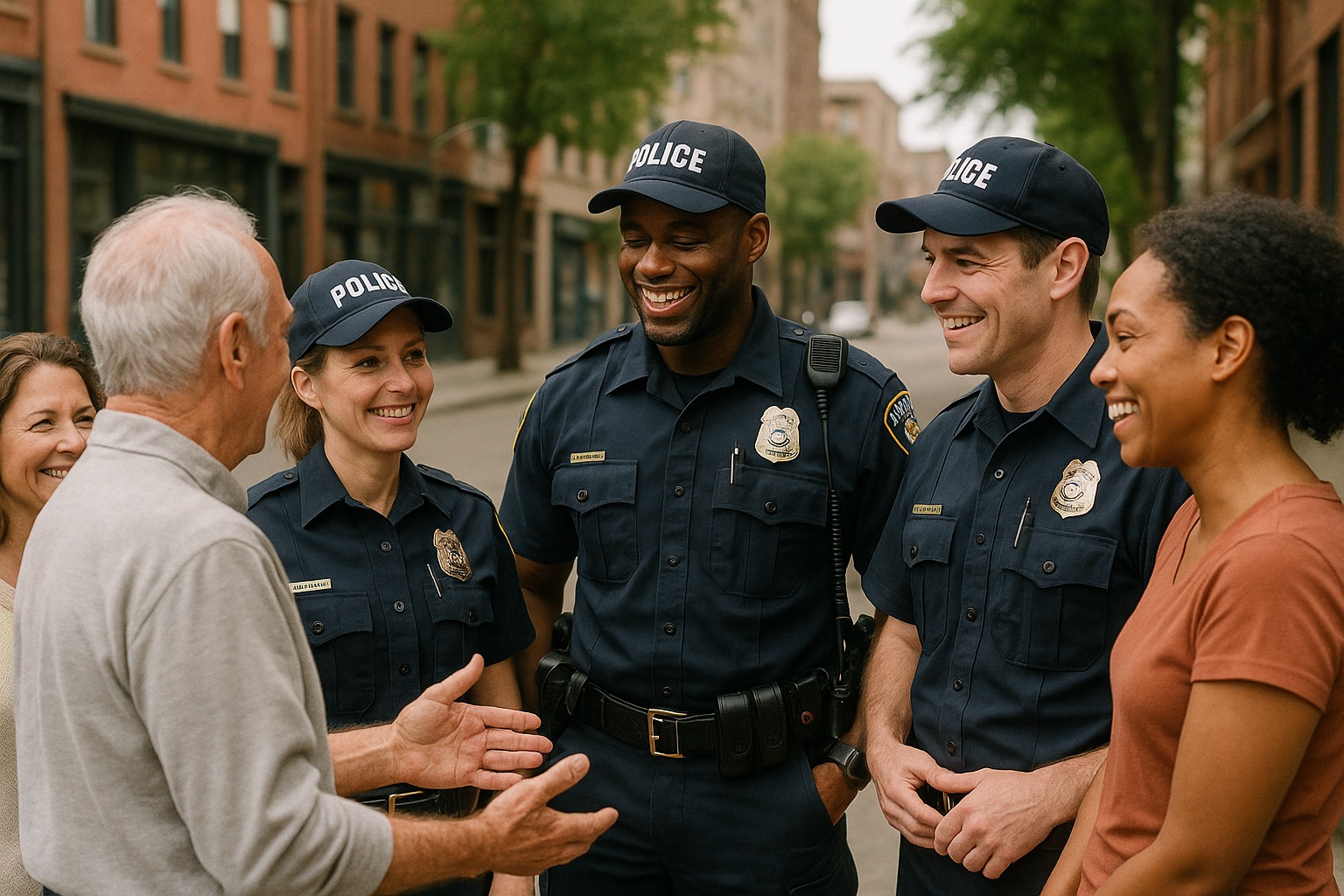
Effective policing means knowing the community—not only suspects and victims but also schools, businesses, faith groups, and everyday residents. Officers must be trained, evaluated, and rewarded for problem-solving and relationship-building, not just arrests and tickets. - Practice Transparency and Accountability
Policing in a free society demands openness: body-worn cameras, early warning systems, community oversight, and clear reporting on stops, force, and misconduct. Without accountability, there can be no legitimacy. - Prioritize Officer Well-Being and Character
Resilient, ethical, emotionally intelligent officers are essential. Departments must recruit for character, train for empathy, support mental health, and insist on integrity—because policing is about people, not just tactics. - Lead with Courage and Vision
Chiefs and supervisors set the tone. They must reject “us vs. them” thinking, speak clearly about values, and model constitutional, compassionate policing—even under political or cultural pressure. Leadership means being willing to risk criticism for doing what is right.
The Future of Policing in America
- Community-Integrated, NotMilitarized: Equipment and tactics must fit civilian life, not mimic combat zones. Expect continued public pushback against over-militarization.
- Data-Informed but Human centered: Predictive analytics, AI, and technology will expand, but public trust depends on human fairness and discretion, not algorithms.
- Collaborative and Preventive: The future lies in partnerships—with mental health providers, schools, social workers, and community groups. Police cannot solve social problems alone.
- Locally Accountable: National politics aside, legitimacy will be earned at the neighborhood level, one respectful encounter at a time.
- Focused on Legitimacy, Not Numbers: Clearance rates and arrests will matter less than community surveys, trust measures, and problem-solving outcomes.
My Advice to Police Chiefs
- “Never forget: you are a constitutional officer.”Your oath is to the Constitution and the community—not a mayor, governor, or political agenda.
- Measure what matters. Stop rewarding activity that erodes trust (arrests, tickets, stops) and instead reward what builds safety and legitimacy (fairness, trust, and problem-solving).
- Stay close to the people. Walk the beat. Listen. Listen again. Be present at schools, in neighborhoods, and in difficult conversations.
- Develop your people. Hire for empathy, train for courage, promote for integrity. Build leaders at every rank.
- Have moral courage. The future of policing will be decided by leaders willing to say “no” to shortcuts, politics, or unconstitutional practices—even when it costs them personally.
The Future
- Policing must evolve into a community-integrated, evidence/data-based prevention-oriented profession. We will not arrest our way out of social problems. We must work alongside educators, health workers, and neighbors to build safe, just, and resilient communities.
An (Almost) Final Word
- After more than three decades in uniform and an equal time observing you, I leave you with this truth:
The measure of good policing is not control, but consent. Not fear, but trust. Not domination, but service.
- Lead with justice, and the people will stand with you. Fail in this, and no badge, weapon, or law will save your legitimacy.

 Improving Police: A Necessary Conversation
Perfect! This should be posted in every police facility.
LikeLike