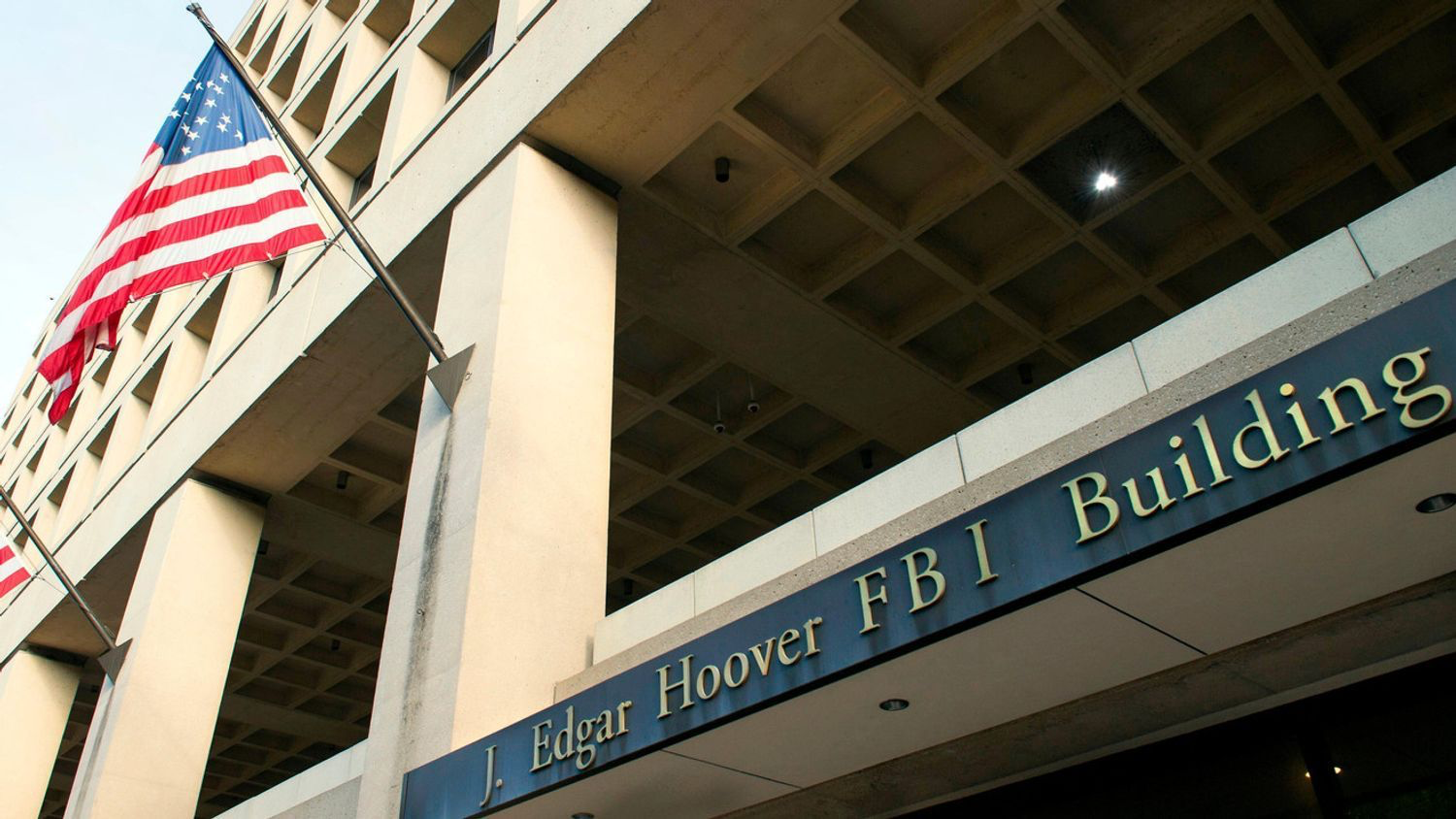
Okay, you don’t like the FBI. Well, come to think of it, I have not always been their champion. During my years in police leadership, I sent only one of my officers to the FBI National Academy. Instead, I wanted my officers to pursue university, not trade-school educations.
I remember my 30-day recruit school as I entered the Minneapolis Police Department in 1962. I was a rookie with two-year’s police experience in a Minneapolis suburb. One of our classes was on patrol tactics. The instructor was an FBI agent (as a side note: had. mistakenly thought our class was all-white. His racial jokes didn’t go well. When my colleague, Bill Mavity and I, told him that our light-skinned fellow officer sitting in the back row was Black, he was unsettled, but not apologetic. After all, his organization was primarily responsible for investigating civil rights violations that year. I also remember FBI Agents explaining their new-found role to investigate civil rights complaints against police. They assured us they would never bust a cop!).
But the other problem I had with the agent was that he had no experience ever doing uniformed police patrol in a city. I asked our training commander we would rather hear from the best patrol officers in our department or in the metro region. What was their experience? What had they learned? But my commander was a graduate of the FBI National Academy. He thought training from the FBI had to be the best. And, of course, it wasn’t.
When Clarence Kelly was FBI Director, I took advantage of the Freedom of Information Act. I requested something I thought existed – the FBI’s involvement in my candidacy as Chief of Police in Madison, Wisc. I was correct. The head of the local FBI office had communicated with the FBI Director the police department was not all in favor of my appointment – but that they were maintaining relationships with “both sides.” Most interesting was the comment from the local agent that the FBI was going to have to find ways to relate me and other chiefs who have strong academic credentials. Why was the Director of the FBI interested and monitoring the appointment of a young chief applicant with two university degrees?
Through the years, I urged local police officers to get academic degrees and be committed to career-long personal growth. The FBI still has an important place in our system of criminal justice. But they need to remember they are federal officers and cannot, nor should not, be involved in local community policing except when there are violations of federal law. Enough said here.
So the newly-approved FBI Director, Kash Patel, wants to get most of the FBI agents in Washington out from their desks and out into the field to “fight crime.” As federal officers, what is it they are going to do? And most importantly, who is going to do the forensic investigative work, monitor spies and terrorists, and maintain the information systems all police rely on? (Check out current FBI priorities HERE.)
I think it’s fair to call me a change-agent. I worked two decades leading police at the top of the organization. Change takes time. You begin with a deep, collaborative dive into how the organization runs, its goals, its people, and community expectations. From that assessment, a change-agent can begin to work with, support, and lead the organization in a new, better, and improved ways. But to do that takes time – yes, even a 20-year career.
If the FBI is as bad as Patel and Trump think it is, show us the data. Show us where the Bureau has fallen, not met its goals, or under-performed. And then, together, we will be able, together as a nation, to develop an improvement plan with measurements as to how change and improvement are progressing.
Changing police, changing any bureaucratic organization, takes time – I have said before that change is about “passion, patience, and persistence!” It’s true.
What is being threatened today is the overall effectiveness of our federal police who have the responsibility to enforce our federal laws – in our federal code; laws, for example, related to terrorism, cybercrime, civil rights, and public corruption.
You don’t like the FBI? You want to improve what they do? There is a learned, effective, and acceptable way to assess an organization, its mission and function, and implement sustainable improvement.
What is being proposed by the current administration is not the way. Period.

 Improving Police: A Necessary Conversation
As always, David, I appreciate your insightful articles! Take care Jim Isenberg
On Sat, Feb 22, 2025 at 10:26 AM Improving Police: A Necessary Conversati
LikeLike
Thanks, Jim. Tough road ahead of us.
LikeLike
Sadly, very true, David. Still, please do continue your invaluable writing!
Take care
Jim
LikeLike
For those of you who don’t know who Jim Isenberg is and his police leadership of many years, check this out: https://inspire.berkeley.edu/o/building-thought-leader-law-enforcement/
LikeLike
Comey got himself in trouble with Trump after he help Trump get elected the first time when he released the Hillary emails:
https://crooksandliars.com/2025/05/james-comer-accuses-comey-trying-jizz-coup
LikeLike